

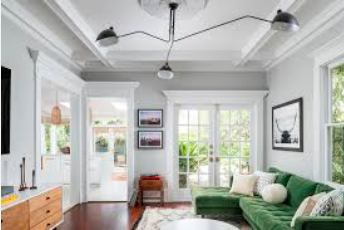
Home improvement is more than just fixing what’s broken or updating what looks old. It’s about creating a space that reflects your lifestyle, supports your daily routines, and brings comfort to everyone who lives there. Whether you live in a small apartment or a large house, thoughtful improvements can make a significant difference in how your home looks, feels, and functions. The good news is that you don’t always need a huge budget or professional contractors to make meaningful changes. With the right ideas and planning, you can transform your living space step by step.
Start with a Clear Plan and Priorities
The first step in any successful home improvement project is planning. Many people make the mistake of starting without a clear vision, which often leads to wasted money and unfinished work. Walk through your home and identify what needs improvement the most. It could be poor lighting, lack of storage, outdated paint, or worn-out furniture.
Make a list and prioritize based on importance and budget. For example, fixing leaking pipes or damaged walls should come before cosmetic changes. Once essential repairs are complete, you can focus on improving comfort and appearance. A clear plan helps you stay organized and prevents unnecessary expenses.
Improve Lighting for Better Comfort and Mood
Lighting has a powerful impact on how a home feels. A well-lit room looks larger, cleaner, and more welcoming. Natural light is always the best option, so try to maximize it by keeping windows clean and using light curtains instead of heavy, dark ones.
In areas where natural light is limited, add layered lighting. Use ceiling lights for general illumination, table lamps for relaxation, and task lighting for work areas like kitchens and study desks. Warm light creates a cozy atmosphere, while cool white light is better for workspaces. Simply improving lighting can completely change the mood of your home without major renovations.
Refresh Your Walls with Paint or Simple Decor
One of the easiest and most affordable ways to improve your home is by updating your walls. A fresh coat of paint can instantly make a room look clean and modern. Neutral colors like white, beige, or light gray make spaces feel larger and brighter, while accent walls in deeper colors add personality and style.
You can also decorate walls with framed photos, artwork, or shelves. These personal touches make your home feel unique and welcoming. Even rearranging existing wall decor can give a room a fresh new look without spending money.
Maximize Storage to Reduce Clutter
Clutter makes even the nicest home feel uncomfortable. Improving storage is a practical way to make your home more functional. Use shelves, cabinets, and storage boxes to organize your belongings. Multi-purpose furniture, such as beds with storage underneath or ottomans with hidden compartments, is especially useful in smaller homes.
Keeping your home organized not only improves its appearance but also makes daily life easier. You spend less time searching for things and more time enjoying your space.
Upgrade Key Areas Like Kitchen and Bathroom
Kitchens and bathrooms are among the most important areas in any home. Even small upgrades in these spaces can make a big difference. You don’t need a complete renovation to see results. Replacing old cabinet handles, installing a new faucet, or adding better lighting can improve both appearance and functionality.
In the kitchen, focus on cleanliness, storage, and workspace. In the bathroom, ensure good ventilation, proper lighting, and modern fixtures. These improvements also increase the overall value of your home.
He stepped down, trying not to look long at her, as if she were the sun. There is no charm equal to tenderness of heart. The heart has its reasons which reason knows not.
Improve Comfort with Better Ventilation and Temperature Control
Comfort is a key goal of home improvement. Proper ventilation keeps your home fresh and healthy. Open windows regularly to allow fresh air to circulate. Ceiling fans are an affordable way to improve air movement and reduce heat.
If possible, improve insulation to maintain comfortable indoor temperatures. This reduces energy costs and makes your home more efficient. Simple steps like sealing gaps around doors and windows can also make a noticeable difference.
Enhance Your Home’s Entrance and First Impression
The entrance of your home creates the first impression for guests and visitors. Keeping it clean, organized, and welcoming is important. Add a clean doormat, improve lighting near the entrance, and keep the area clutter-free.
If you have space, adding plants or simple decorations can make the entrance more inviting. Small improvements here create a positive feeling before anyone even enters your home.
Focus on Small Changes That Make a Big Difference
Home improvement doesn’t always require large projects. Small changes often have the biggest impact. Rearranging furniture can improve space and comfort. Adding plants brings freshness and life into your home. Updating curtains, cushions, or rugs can refresh the overall look.
Consistency is key. Instead of trying to do everything at once, improve your home step by step. Over time, these small improvements combine to create a space that feels modern, comfortable, and truly yours.
Final Thoughts
Your home should be a place where you feel relaxed, safe, and happy. Home improvement is not just about appearance; it’s about improving your quality of life. With careful planning, smart choices, and attention to detail, you can transform your living space without unnecessary stress or expense.
Remember, the goal is not perfection but progress. Every improvement, no matter how small, brings you closer to creating a home that supports your lifestyle and reflects your personality.
