

The American collegiate experience has shifted dramatically over the last decade. Gone are the days when a student’s only “job” was to attend lectures and study in the library. According to the National Center for Education Statistics (NCES), approximately 40% of full-time undergraduate students and 74% of part-time students are employed while enrolled in postsecondary education.
When you factor in credit hour requirements, internship applications, and the essential need for a social life to maintain mental health, the “balancing act” starts to feel more like a high-wire performance. Without a strategic approach, burnout isn’t just a risk—it’s an inevitability.
The Modern Bottleneck: Why “Trying Harder” Isn’t Enough
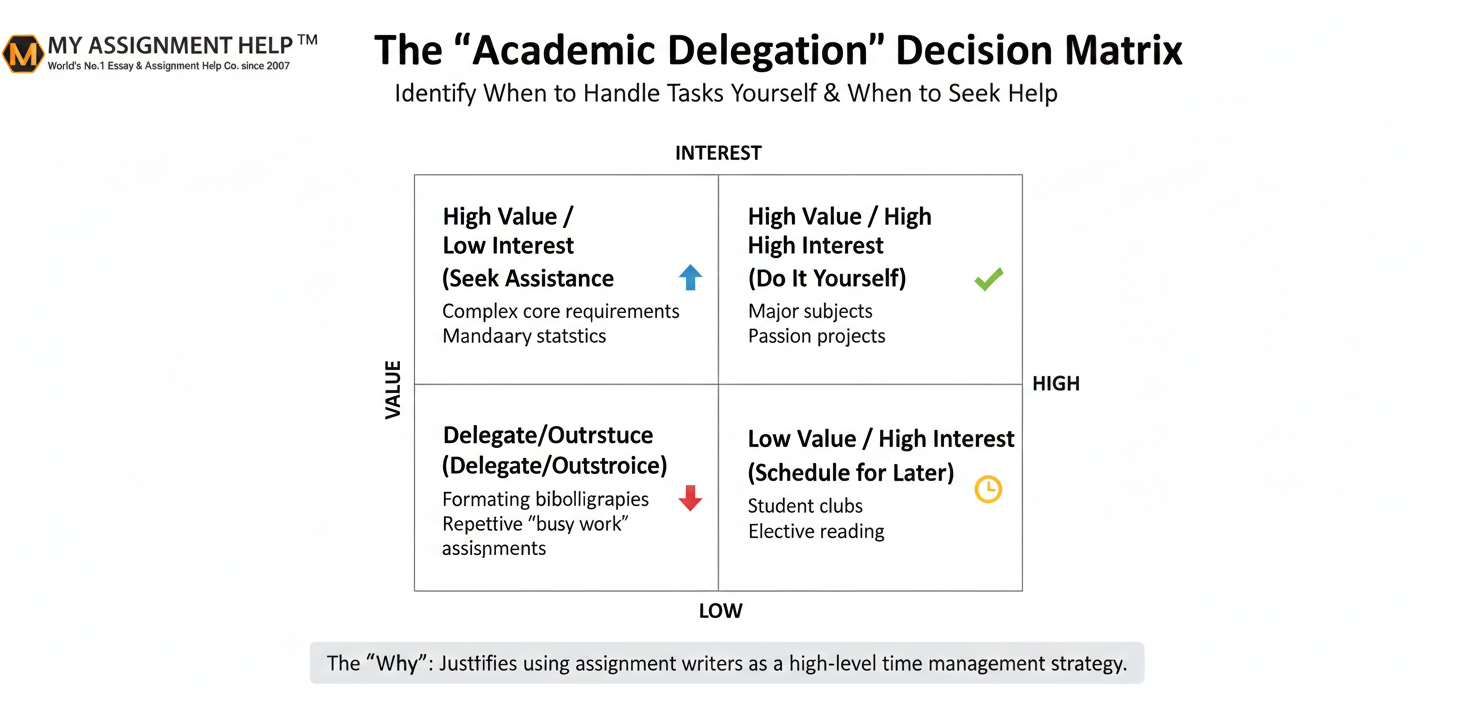
For most US students, the pressure peaks during midterms and finals. You are expected to be a scholar, an employee, and a functioning human being simultaneously. This is often where the “academic snowball effect” begins: one missed deadline leads to a rushed essay, which leads to a lower GPA, which increases stress. To break this cycle, many students have begun to embrace the concept of academic delegation. Recognizing when your plate is too full is a sign of maturity, not weakness. Whether you need to do my homework for a core-curriculum class to focus on your major, or simply need a night of sleep to remain productive at work, strategic outsourcing is a survival skill in 2026.
1. Implement the “Time-Blocking” Method
Standard “To-Do” lists often fail because they don’t account for the duration of tasks. Elite students in the US use Time-Blocking.
Instead of writing “Study for Bio,” you block out 2:00 PM – 4:00 PM on your Google Calendar specifically for Biology. This creates a “bounded” workspace.
- Pro Tip: Use “Day Sculpting” to align your hardest tasks with your peak energy hours (e.g., if you’re a morning person, do your calculus at 8:00 AM, not 11:00 PM).
2. Leverage Professional Academic Support
In a competitive US job market, your GPA still acts as a gatekeeper for top-tier internships. However, when work shifts overlap with major project deadlines, something has to give. Smart students utilize assignment writers to help manage the overflow.
By collaborating with experts, you aren’t just getting a task done; you are receiving a model for how high-level academic work should be structured. This allows you to maintain your academic standing without sacrificing your paycheck or your sanity.
3. The 80/20 Rule of Academics (Pareto Principle)
Not all assignments are created equal. In the US syllabus system, a “Participation” grade might be worth 10%, while a “Term Paper” is worth 40%.
- Identify the 20% of your work that contributes to 80% of your grade.
- Dedicate your “Deep Work” sessions to these high-impact tasks.
- Automate or delegate the low-impact, “busy work” assignments.
4. Prioritize “Biological Prime Time”
A study by the American Psychological Association (APA) highlights that chronic sleep deprivation among college students leads to a significant decline in cognitive executive function. You cannot balance your life if your brain is foggy.
- The Rule: No screens 30 minutes before bed.
- The Goal: 7–8 hours of sleep. It sounds cliché, but sleep is the ultimate productivity hack. You will get more done in four hours of high-energy work than in eight hours of exhausted “pseudo-working.”
5. Build a “No” Muscle
The American “hustle culture” tells us to say yes to every club, every extra shift, and every social outing. Mastering the balance means setting boundaries. If a social event conflicts with a high-priority study block, learn to decline gracefully. Your future self will thank you when finals week arrives and you aren’t scrambling.
Key Takeaways
- Delegate Strategically: Don’t be afraid to use professional services to manage overwhelming workloads.
- Block Your Time: Move from lists to calendars to visualize your day.
- Sleep is Non-Negotiable: Physical health is the foundation of academic success.
- Value Over Volume: Focus on assignments that carry the most weight in your syllabus.
Frequently Asked Questions (FAQ)
Q: Is using an assignment service considered “cheating” in US colleges?
A: Using these services as a study guide, a structural template, or a way to manage “busy work” so you can focus on core learning is a common academic strategy. It is about resource management and supplemental learning.
Q: How do I handle a job that demands extra hours during finals?
A: Communication is key. Most US employers are flexible if you provide them with your syllabus at the start of the semester. If they aren’t, that is the time to look into academic support to bridge the gap.
Q: What is the most effective study technique for short sessions?
A: The Pomodoro Technique (25 minutes of work, 5 minutes of rest) is highly effective for students who only have small windows of time between work and class.
About the Author: Sarah Jenkins
Sarah Jenkins is a Senior Academic Consultant at MyAssignmentHelp. With over 10 years of experience in the US higher education sector, Sarah specializes in student productivity and curriculum development. She has helped thousands of students navigate the complexities of university life by providing actionable strategies for academic excellence and mental well-being. When she isn’t writing, Sarah speaks at student wellness seminars across the East Coast.
